
What Is an Emergency, and What Should You Do?
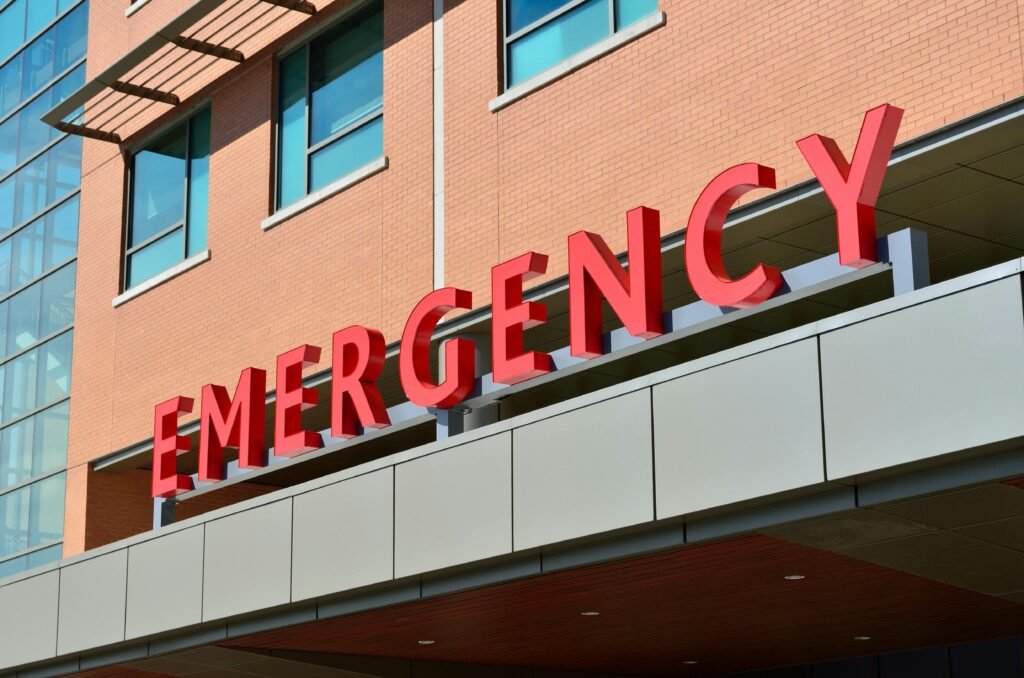
What Is an Emergency, and What Should You Do?
Emergencies can occur without prior notice. An emergency may involve anything from a health-related situation, Fire, a natural disaster, or a personal injury. In order to preserve the lives of people, we must be able to recognize what qualifies as an emergency and respond appropriately.
In addition to recognizing what constitutes an emergency, knowing how to remain composed when faced with an emergency and act appropriately can aid not only in your own protection but also in the protection of those nearby.
The information in this article provides a definition of “emergency,” as well as the different types of emergencies, and provides a list of the fundamental things you should do when facing an emergency.
❗ What Is an Emergency?

What Is an Emergency?
Emergencies are sudden events that require prompt action to protect human life, health, property, or the environment from danger. Generally they occur without warning and could lead to severe consequences if they are not addressed quickly and appropriately.
For example:
- An individual has collapsed or is not breathing.
- A house is on fire.
- Someone has been involved in a motor vehicle collision.
- An unexpected natural disaster has occurred.
- An individual is experiencing profuse bleeding or an injury.
- A gas leak or electrical issue has been discovered.
- A child is choking.
When an emergency arises, there is no time to waste when you need to make quick choices. It can lead to an increase in severity and possibly be fatal if adequate time passes to adequately respond.
🧭 Types of Emergencies
Knowing the various classifications of emergencies allows you to know how to respond to them better.
- Medical Emergencies
Situations resulting from a severe medical condition, for example:
- Heart attack
- Stroke
- Severe bleeding
- Breathing difficulty
- Unconsciousness
2. Fire Emergencies
Fires that are out of control and are rapidly spreading.
3. Accident or Injury Emergencies
- Vehicle accidents,
- Slips and falls,
- Burns,
- Cuts,
- Workplace injuries.
4. Natural Disaster Emergencies
Emergencies caused by natural phenomena,
For example:
- Earthquakes
- Floods
- Severe storm
- Wildfire
5. Safety/Security Emergencies: Threats including
- Gas leaks
- Electrical hazards
- Crime or violence
🧘 What to Do During an Emergency
In emergency situations, knowing what is most important and how to react will affect how well a person deals with that situation.
🔶 1. Stay Calm and Assess the Situation
A person should try to remain calm to the best of their ability and, in the moment, ask themselves the following three questions:
- Is There Any Injury?
- Is There Still Danger?
- Can I Help Them?
- By remaining calm, a person can think clearly and use their mind effectively.
🔶 2. Call for Help (Emergency Services)
- Your telephone number and where you are located
- What has occurred (for example, a fire or motor vehicle accident)
- How many people are injured or require assistance
Any emergency service can give step-by-step guidance when someone calls in to report an emergency or when a person is unsure of what to do in a specific emergency situation.
🔶 3. Give Basic First Aid (If Safe to Do So)
You should provide basic first aid to any injured persons that you can if you are waiting for someone to help them.
- Stop bleeding using direct pressure.
- Assist with difficulties in breathing (e.g., a person who is choking).
- If an individual loses consciousness, place him/her into the recovery position.
- Keep the person warm and calm.
- Do not attempt to move a seriously injured individual unless there is imminent danger to him/her or to you.
If you have not been trained, only provide those things that you can safely do.
🔶 4. Protect Yourself First
Never put yourself in danger. For example:
- Do not enter a burning building.
- Do not touch downed electrical wires.
- Do not stand in floodwater.
- Do not get too close to an area of violence.
If you are injured or hurt, you will be unable to assist anyone else in need of help.
🔶 5. Follow Emergency Plans
Many homes, schools, and places of employment will have Emergency Plans. You should adhere to the following lists if you are anticipating an emergency.
- Evacuation routes
- Fire exits
- Designated meeting areas
- Alarms for danger
Knowing these procedures prior to an emergency situation can aid in the successful and safe resolution of any emergency situation.
🛡 Why Emergency Preparedness Matters
Preparation decreases the likelihood of fear, confusion, or panic occurring. It allows a person to:
- Be ready to respond swiftly
- Be more effective at providing protection to themselves and others
- Reduce the incidence of injury
- Eliminate the possibility of injury and loss of life
- Reduce damage to personal property
By learning a few things about emergency situations, there is a substantial potential to save many lives.
📅 Summary
Anyone can experience an emergency. Understanding what an emergency is and how to respond effectively to it increases the level of preparedness and confidence. Remain calm and seek assistance if necessary, and do all you can to protect yourself as well as provide assistance to others if able. Preparedness is not fear; rather, it is empowerment.