
Maternity: What It Is and What You Should Do
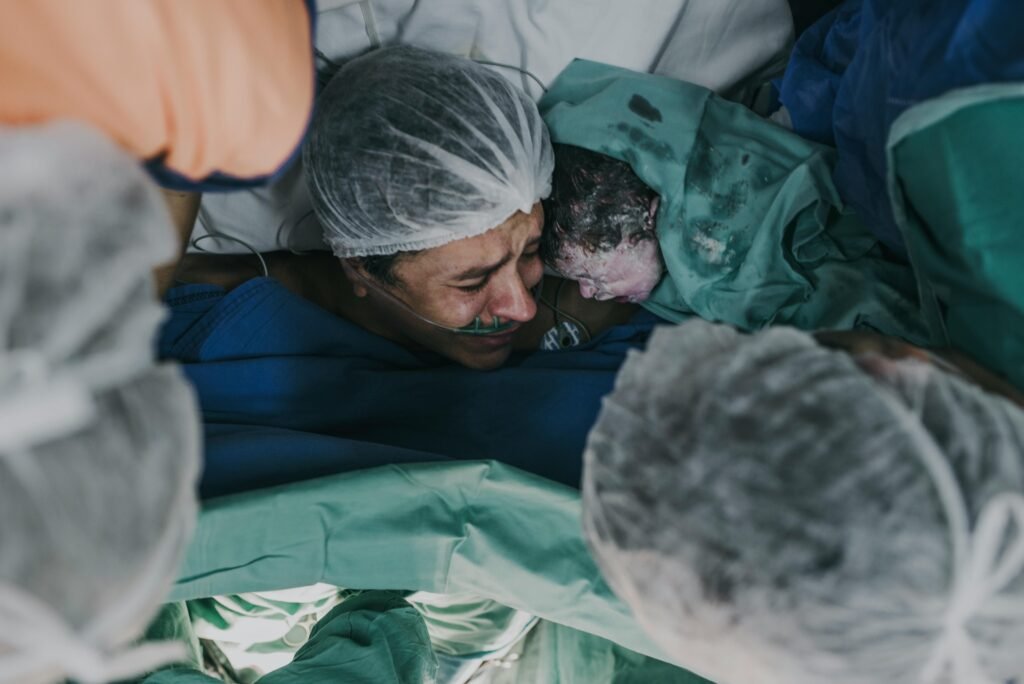
Maternity: What It Is and What You Should Do
Maternity is a significant phase of life for females, as it represents a critical turning point in many ways. Maternity refers to the timeframe from conception until shortly after giving birth to a child (the maternity stage). The entire experience of motherhood includes anticipation, excitement, and many additional roles and responsibilities; however, mothers experience uncertainty, vulnerability, and emotional volatility as well.
If you want to experience maternity safely, read this article to learn about what to expect during maternity and how best to care for yourself and your baby.
🌸 What Is Maternity?
Maternity is the physical and psychological process that takes place for all women at three distinct, but consecutive, times:
- While pregnant (including during the nine months prior to delivery)
- During childbirth (the act of giving birth)
- After childbirth (the weeks following delivery while a mother is adjusting back into day-to-day life and adjusting to what has occurred during her pregnancy).
Maternity can be characterized by rapid change. Not only is your body changing, but your emotions will be altered due to the pregnancy-related hormones. Your daily life must change to accommodate your growing body. Receiving the right amount of education and support during this time will provide for the best recovery for a mother, as well as the opportunity for the baby to start life on the right foot.
📅 The Three Stages of Maternity

📅 The Three Stages of Maternity
The three main phases of creating/making/birthing a baby are
(1) Pregnancy
When the baby is developing inside the mother’s body. Most pregnancies last approximately 40 weeks, divided into 3 trimesters.
(2) Childbirth
The physical act of giving birth can occur either vaginally or through a surgical procedure (C-section). Women experience childbirth differently.
(3) Postpartum
The postpartum phase begins immediately following the birth of the baby. During this phase, the mother’s body is healing, her hormones are changing, and she is learning to care for/parent a new baby.
🧭 What Should You Do During Maternity?
⭐ 1. Visit Your Doctor Regularly
Prenatal physician visits allow for monitoring of the following items related to your pregnancy:
- The health of the unborn child.
- The health of the mother.
- Blood pressure, weight, and nutrient levels in the body of the mother.
- Detection of any potential complications that may occur during pregnancy.
DO NOT ignore or miss appointments to see your physician. Appointments protect both the pregnant woman and unborn child.
⭐ 2. Eat Nutritious Foods
A healthy diet will give you energy, support your immune system, and allow your growing baby to have the necessary nutrients it needs. A nutritious diet should contain:
- Fresh fruits and vegetables
- Whole grain products
- Protein from sources such as eggs, chicken, beans, and fish
- Foods high in calcium
- Foods high in iron and folate
Do not smoke, drink alcohol, eat raw foods, or consume excessive amounts of caffeine.
⭐ 3. Take Prenatal Vitamins
Your physician will likely recommend taking:
- Folic acid
- Iron
- Vitamin D
- Calcium
Taking these vitamins will help to prevent complications and to ensure proper development of your growing baby.
⭐ 4. Stay Active With Safe Exercises
Exercise promotes strength, reduces stress levels, and preps your body for delivery.
There are several forms of safe exercise you can perform:
- Walking
- Stretching
- Prenatal yoga
- Light cardio, such as walking on a treadmill at a slow speed or riding a stationary bike while seated.
Be cautious—do not perform exercises that require lifting heavy objects or performing vigorous exercise movements.
⭐ 5. Educate Yourself About Childbirth
Learn About Labor
You’ll be less anxious about labor if you learn about it. You can:
- Attend classes before your baby is born
- Practice breathing exercises
- Learn about how you are going to give birth
- Educate yourself on ways to ease your pain
By arming yourself with information, you’ll feel confident and ready.
⭐ 6. Take Care of Your Mental and Emotional Health
Pregnant women experience hormonal fluctuations, which impact their emotional state. Common things pregnant women might see are
- Mood swings
- Anxiety
- Stress
- Tiredness
At times, it helps to talk to either your partner, family members, or healthcare professionals when you feel this way. Mental health is just as important as physical health!
⭐ 7. Prepare for the Baby’s Arrival
To help lessen stress during the last 2-4 weeks of pregnancy, get ready for the arrival of your newborn by having the basics prepared before he’s born, like:
- Baby clothing
- Diapers
- Feeding items
- Safe sleeping area
- Safe car seat
Preparing in advance helps to alleviate much of the stress experienced during the last few weeks of pregnancy!
⭐ 8. Create a Birth Plan
A birth strategy outlines your preferred options for:
- Your preferred delivery method;
- Your preferred pain relief options;
- Who will accompany you during the delivery;
- Your preferred medical facility for the delivery.
Share your birth strategy with your physician or healthcare provider so everyone is aware of your preferences.
⭐ 9. Prioritize Postpartum Care
The post-birth period is a time when mothers need sufficient time for recovery. You can begin to ensure a smooth transition into motherhood by following the guidelines for postpartum care:
- Establishing a regular sleep pattern;
- Eating properly;
- Taking care of any stitches or C-section incisions;
- Monitoring for symptoms of infection; and
- Seeking assistance if you are experiencing feelings of sadness or discontent.
Remember: healthy mothers raise healthy children.
⭐ 10. Ask for Support When Needed
Every woman should be able to lean on others for support during her pregnancy.
Here are some suggestions for who to ask for support:
- Your Partner
- Family
- Friends
- Midwives
- Physicians