
HIV: Understanding the Virus, Its Impact, Treatment, and Prevention 2026
HIV: Understanding the Virus, Its Impact, Treatment, and Prevention
The study of Human Immunodeficiency Virus (HIV) is among the most intensive and comprehensive of all infectious diseases and has been ongoing for more than 30 years. Although it was first identified decades ago, HIV continues to be a global health issue that affects millions of people each year, even with all the advances that have been made through scientific research and medicine to provide an opportunity for people living with HIV to have a manageable and preventable condition and have the ability to lead long and healthy lives if they receive appropriate treatment.
This article provides a comprehensive overview of HIV in a contemporary and science-based context by discussing the definition of HIV, its transmission, its associated signs and symptoms, and its treatment options as well as prevention options to avoid becoming infected.
What is HIV?
HIV is a virus that causes a weakening of the immune system by affecting CD4 (helper lymphocytes) cells. These are the blood cell types that is responsible for fighting infections. Without treatment, HIV will progressively weaken the immune system and will eventually lead to the development of AIDS, the most severe stage of HIV infection. However, with effective treatment today, the majority of individuals with HIV do not progress to AIDS.
How HIV Affects Your Body
When HIV enters your blood, it will do the following:
- Attach and enter a CD4 cell
- Insert its own genetic information into the CD4 cell
- Use the CD4 cell to make additional copies of itself
- Cause the CD4 cell to die
As long as there are no treatments for the virus, the above cycle continues and will continue to decrease the number of CD4 cells in your body and will lower your ability to fight off infections and diseases over time.
How HIV Is Spread
HIV is transmitted via 5 primary fluids:
- Blood: The level of HIV in an infected person’s blood is at a much higher concentration compared to any other method of transmission. Blood is generally transmitted through syringe sharing (including needles), sharing sharp objects (e.g., razors), or through transfusions of infected blood. The likelihood of blood transmission through transfusions is much lower in countries with strict blood screening procedures.
- Semen: An HIV-positive individual’s semen can be the means of transmitting the virus to another person when they have unprotected sexual intercourse, whether it be vaginal or rectal. With semen, the virus can enter a woman’s body through the mucous membranes of her vagina and, in the case of anal sex, the anus as well as the urethra.
- Vaginal Secretions: The vaginal fluids produced by a woman who is infected with HIV can also transmit the virus to her sexual partner during an act of sexual intercourse. The virus can be transmitted to the male sexual partner through the mucous membranes found in the vagina.
- Anal Secretions HIV: may also be present in anal fluids. Because the anal membranes are thinner and therefore more susceptible to micro-tears, the actual act of anal intercourse is a greater risk for the transmission of HIV.
- Breast Milk: Mothers who are infected with HIV may pass the virus to their nursing infants through breastfeeding. Although the amount of virus present in breast milk is low, infected mothers are often encouraged to utilize safe alternatives when feasible.
Some of the most common methods of transmission include:
- Engaging in unprotected sexual intercourse
- Sharing needles and/or other injection equipment
- Mother to baby during pregnancy and delivery or breast feeding
- Rarely through unscreened blood transfusions.
HIV does not spread through everyday contact
HIV cannot be spread via these:
✘ Giving/receiving hugs
✘ Handshakes
✘ Eating/Drinking together
✘ Mosquito Biting
✘ Toilet Seat Contact
✘ Sweat, Tears or Saliva from someone else
People with HIV can only pass it on via certain fluids/blood being exchanged.
Stages of HIV Infection
Steps Which Are Involved In The Process Of HIV Infection
Acute infection of HIV (First stage)
Occurs 2-4 weeks after being exposed to the original virus.
Some people will get flu-like symptoms, such as
- A fever: When the body has an infection, it reacts by producing a fever. For example, if someone has a newly acquired HIV infection, they may notice a mild or moderate fever as the Body’s Immune System tries to eliminate the HIV Virus.
- Body aches: People with newly acquired HIV typically will experience muscle and joint discomfort while their body is fighting the infection. These pains will feel similar to the symptomatic flu and may last anywhere from a few days to a few weeks.
- A rash: People may develop a red, splotchy, or mottled rash on their skin (usually located on the arms, torso or face) due to the immune response of the body to HIV.
- Swollen glands: Enlarged, tender lymph nodes can develop in the areas of the armpits, groin and neck as the body tries to remove the HIV Virus from the body.
- Fatigue: People with Newly Acquired HIV may not be able to describe their condition; they may feel helpful and as if they have lots of energy. Nonetheless, as with all infections, it is essential for anyone presenting symptoms of early HIV infection to be tested.
While others will not get any symptoms at all.
2. Chronic HIV Infection (The Latency Stage)
- The virus is still within the body, but it does not reproduce at an increased rate. Most people will continue to feel healthy and may be able to pass on the HIV virus to others if left untreated.
3. AIDS (Advanced Stage)
The immune system is heavily compromised due to HIV.
Symptoms may be:
- Sudden loss of weight: The immune system against HIV is overwhelmed when an individual has atypical or extreme infections, resulting in rapid weight loss and nutrient-poor absorption.
- Extreme exhaustion: Additionally, since the body’s immune system is always working to fight HIV, the individual feels very fatigued.
- Night sweats: Excessive sweating while sleeping is common with HIV infections as a sign of immune system strain and ongoing infections.
- Ongoing/bad infections: HIV weakens the immune system of others, so those who are HIV positive may have frequent, extreme, or unusual infections from bacteria, viruses, and fungi.
- Chronic upset stomach: Diarrhea, loss of appetite, and stomach pain are often caused by medications used for treatment or by infections occurring throughout the digestive tract.
- Various cancers: Certain cancers such as Kaposi’s sarcoma and lymphomas can occur due to an individual being unable to identify and destroy abnormal cells due to the impaired ability of the immune system to function against HIV.
However, today there are medications that can allow many individuals to remain healthy and not progress to this point.
Treatment for HIV (ART Therapy)
1. What is ART?
Antiretroviral therapy (ART) is the treatment for HIV infection, that combines several different classes of medications to suppress HIV. ART will not cure HIV, but can significantly reduce the viral load and allow the immune system to recover.
2. How ART Works
ART inhibits HIV in multiple ways as the virus replicates, thereby slowing the progression of the HIV disease and reducing the likelihood that a person with HIV will pass the virus to another person.
3. Types of ART Drugs
ART consists of a combination of medications from at least three different categories of drugs,
Which can include:
- NRTI (nucleoside reverse transcriptase inhibitors)
- NNRTI (non-nucleoside reverse transcriptase inhibitors)
- Protease inhibitors (PIs)
- Integrase inhibitors
4. Benefits of ART
- Maintaining a healthy Immune System
- Preventing Opportunistic Infections
- Lowering the risk of transmitting HIV to others
- Enabling persons living with HIV to live longer, healthier lives.
5. Importance of Adherence
Adhering to prescribed ART is essential; missing doses may result in the development of drug-resistant strains. Art becomes less effective when taken incorrectly.
The standard Antiretroviral Therapy (ART) will
-Reduce viral load
-Protect immune system.
-Prevent the disease from advancing to AIDS.
-Allow them to live longer and healthier.
-Ensure a patient’s HIV is undetectable.
Undetectable = Untransmittable (U = U)
When an individual has an undetectable viral load (less than 200 copies/ml), they have no ability to transmit HIV to their sexual partners. This has been a major breakthrough in the science of HIV.
HIV Testing
You cannot know your HIV status without getting tested. There are three types of tests:
- Rapid Tests (results available within minutes)
- Conventional Blood Tests
- Home Testing Kits
Early detection of HIV leads to early treatment, which improves health for the entire lifespan.
How to Prevent HIV
1. Correct Use of Condoms
Condoms protect against STIs (sexually transmitted infections) and HIV alike.
2. PrEP
PrEP, or pre-exposure prophylaxis, is a daily pill or injection that protects against HIV to the maximum of 99% when taken properly.
3. Do Not Share Needles
Always use sterile equipment when injecting drugs.
4. Get Tested Regularly
If you are sexually active or are at higher risk, make sure you have frequent tests done to check for STIs.
5. PEP
PEP, or post-exposure prophylaxis, is a type of medication that is taken within 72 hours after possible exposure to HIV.
6. Treat HIV-Positive Pregnant Women
HIV-positive mothers should receive treatment throughout their pregnancies to reduce the likelihood of transmitting the virus to their newborns.
The Essential Textbook for HIV Care Providers and Pharmacists-Updated for 2025!
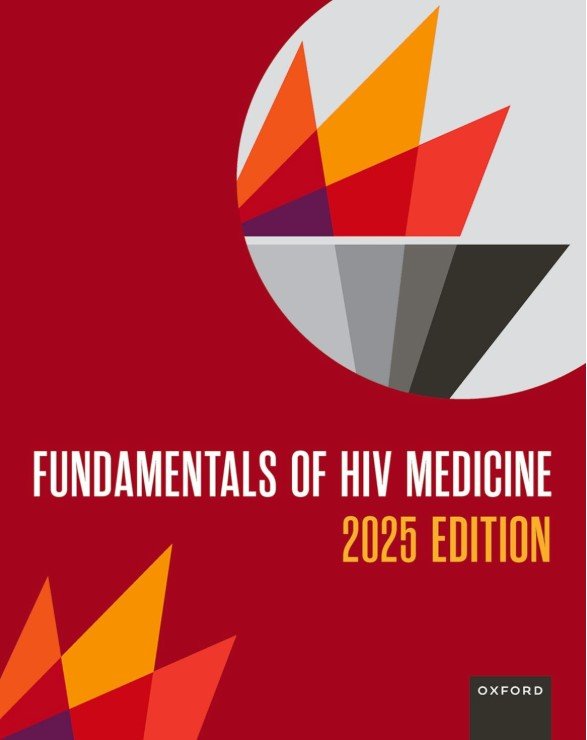
The 2025 edition of Fundamentals of HIV Medicine continues to act as an indispensable resource for practitioners dedicated to the prevention and treatment of HIV. This comprehensive textbook covers both clinically useful principles of HIV medicine and the latest scientific bases for these principles, as they apply to providing healthcare to individuals affected by HIV.
❤️ Living With HIV Today
HIV used to be treated as a disease that was enough to end life. However, today with treatment, it is classified as a chronic condition that can be managed for a person’s lifetime, just like chronic conditions such as diabetes or hypertension.
People who are living with HIV are now able to:
- live long, healthy lives,
- marry,
- have children who do not have HIV,
- work, participate in sports, and travel without restriction,
- and maintain healthy relationships.
Advancements in modern medicine have changed HIV from a life-threatening disease to a manageable condition.
The next step in combating HIV is to continue to reduce the stigma associated with HIV and provide accurate information about the disease.
Here is related healthy article
Conclusion
While the global community is still working hard to fight against HIV, the advancements that science has made through effective treatments and testing options, as well as the introduction of new preventative measures such as PrEP, have allowed for many individuals living with the disease to thrive and live well.